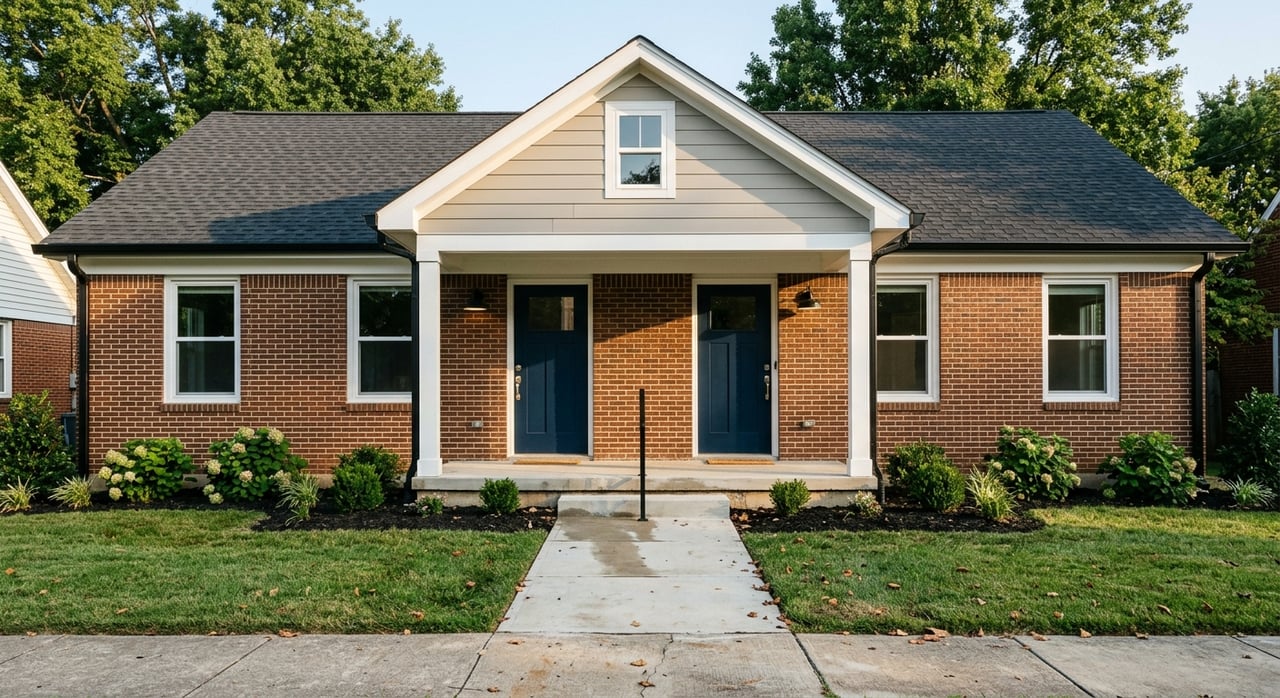
Hannibal Rental Property Investing Basics to Know First
April 2, 2026
April 2, 2026
If you are thinking about buying a rental property in Hannibal, it is easy to focus on the purchase price first. But in a market like this, the better question is whether the property truly fits local renters, local pricing, and the work it may need. When you understand those basics early, you can make cleaner decisions and avoid expensive surprises. Let’s dive in.
Hannibal is a smaller, affordability-conscious market. According to U.S. Census QuickFacts for Hannibal, the city had a population of 16,809 in 2024, 6,891 households, a 62.2% owner-occupied housing rate, median household income of $53,721, and a median gross rent of $805.
That matters because price sensitivity is part of the investment story here. If you are underwriting a deal, you need to be realistic about what local households can support each month, especially if a property will require updates that push your costs higher.
At the same time, active asking rents can look different from Census data. Zillow’s Hannibal rental market snapshot shows an average asking rent of $1,275 across 16 available rentals, with averages of $700 for studios, $1,100 for one-bedrooms, $1,275 for two-bedrooms, $1,475 for three-bedrooms, and $2,100 for four-bedrooms.
Those numbers are useful, but they are not directly interchangeable. Census figures reflect broader survey data, while Zillow reflects active listings. The takeaway is simple: you should compare your target property to current competition, but still keep Hannibal’s broader income picture in mind.
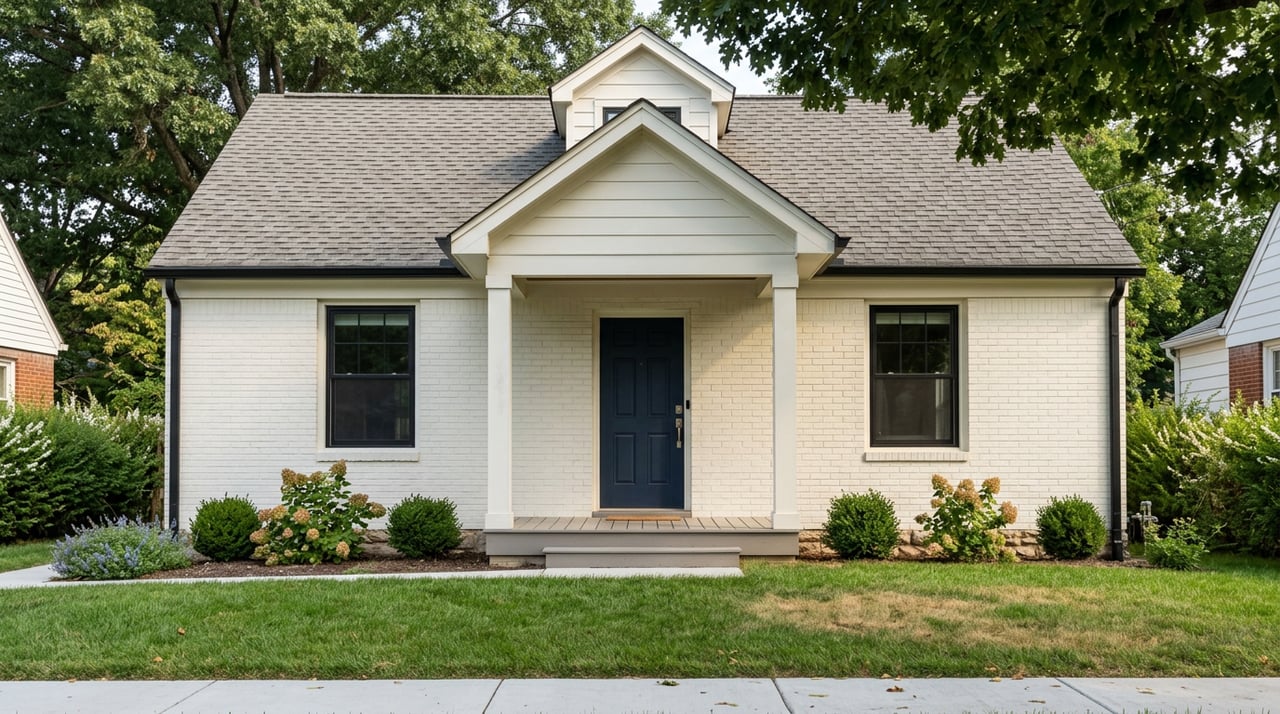
Before you buy, think about what type of housing makes the most sense in Hannibal. NeighborhoodScout’s housing profile says the local housing stock is mostly detached single-family homes, making up 72.8% of homes, and 31.42% of homes were built before 1939.
That means single-family homes are a natural part of the local rental conversation, but they are not your only option. Current listings also show duplex and multifamily opportunities, like this duplex listing example in Hannibal, so small investors can look beyond detached homes when the numbers work.
Household size also helps shape what may fit. Census Reporter’s Hannibal profile shows average households of about 2.3 people. Combined with the city’s common 3- and 4-bedroom housing stock, that suggests a well-located two- to four-bedroom house or duplex may line up well with many local renter households.
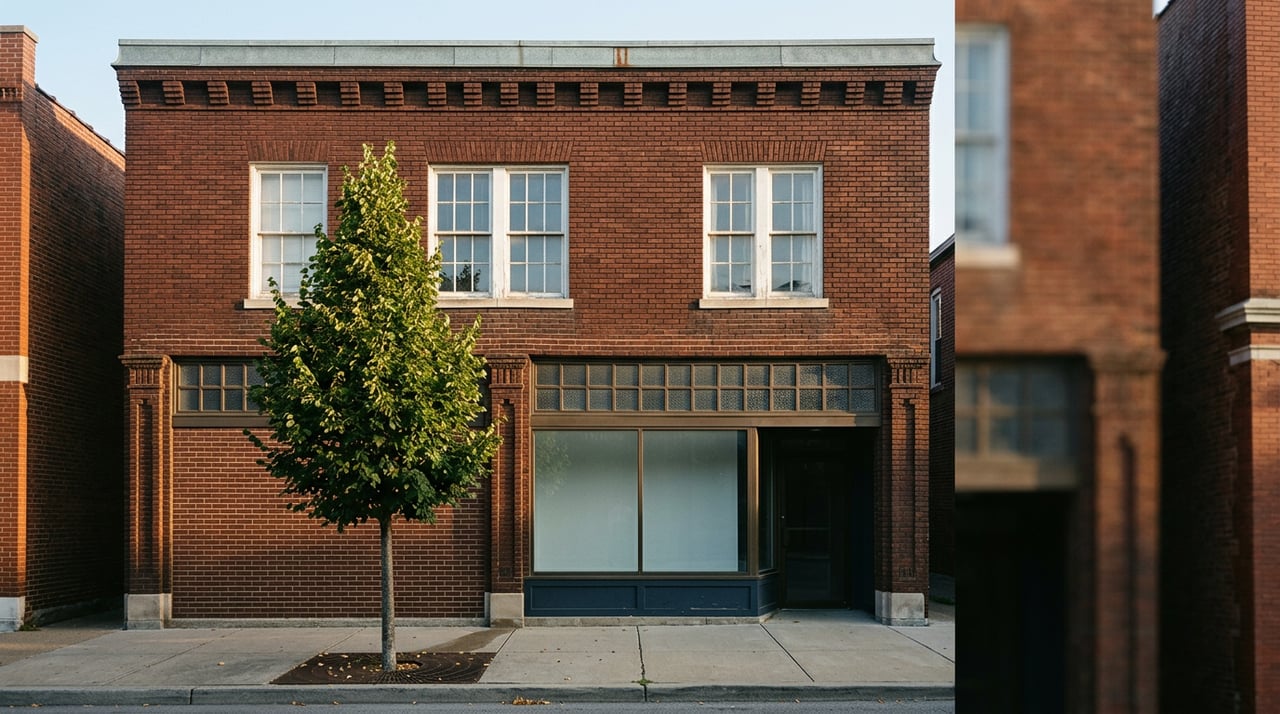
A lot of Hannibal’s character comes from older properties. That can create value-add opportunities, but it also means you need to inspect carefully and budget honestly.
The city’s historic downtown core includes a wide mix of older building styles, and the City of Hannibal code of ordinances includes a historic-district framework. If you are considering a property in an older part of town, especially near the core, you may need a more preservation-aware approach than you would in a newer area.
In practical terms, older properties often bring questions about roofing, wiring, plumbing, HVAC, windows, drainage, and foundation condition. A low purchase price can look great at first, but if the rehab scope is larger than expected, your deal can change fast.
Good rental investing starts with understanding why people rent in a market and what daily life looks like there. In Hannibal, employment access and drivability matter.
The Hannibal Regional Economic Development Council major employers page lists employers such as General Mills, BASF, Continental Cement, Watlow, Hannibal 60 School District, Moberly Area Community College, Hannibal-LaGrange University, Hannibal Regional Medical Group, and Hannibal Clinic. The same source says 61% of employed workers in Hannibal come from outside the community and notes that U.S. 61 and I-72 intersect there.
That points to a regional job base and a commuter-friendly setup. If you are comparing two similar properties, the one with easier access to major roads, straightforward parking, and a simpler drive in and out may have a practical edge.
DataUSA’s Hannibal profile supports that idea. It reports a mean commute of 15.3 minutes, 76.9% of workers driving alone, and an average of 2 cars per household. For many renters, parking and road access may matter more than proximity to transit.
Internet readiness can matter too. U.S. Census QuickFacts reports that 86.8% of households have a broadband subscription. If a property is set up for reliable internet service, that can be a meaningful feature for working households and students.
If your rental strategy depends on school-area demand, do not assume boundaries stay fixed. The Hannibal School District contact and district information page reflects a district that operates multiple schools, and the district reviewed elementary boundaries in 2024 before later announcing the closure of Eugene Field Elementary.
The main lesson for investors is not to make broad assumptions about any one area. Instead, verify school assignment details for the exact property you are considering and re-check them during your due diligence period.
One of the biggest mistakes new investors make is focusing too much on rent and loan payment while underestimating everything else. A better approach is to build your numbers from a full expense picture.
According to IRS Publication 527, common rental expenses include:
That list is a strong starting point for any Hannibal deal analysis. In a market where values have been relatively static, disciplined underwriting matters even more.
The City of Hannibal FY24 financial statements note that property values have been relatively static, even as expansions by General Mills and Hannibal Regional Hospital are expected to support job growth. That is a healthy reminder to buy based on present-day cash flow and realistic expenses, not just hoped-for appreciation.
This matters before you buy and after you close. IRS Publication 527 explains that repairs and maintenance may be deductible, while improvements generally must be capitalized and depreciated.
The publication gives examples of improvements such as new roofs, wiring upgrades, furnaces, HVAC, plumbing, kitchen modernization, and flooring. In an older housing market like Hannibal, those items come up often.
Why does this matter to you? Because a property that “just needs a little work” may actually need capital improvements that change your timeline, financing needs, and long-term returns.
Before you close on any rental in Hannibal, look beyond the home inspection report. Local code status, floodplain considerations, and surrounding property condition can all affect your risk.
The City of Hannibal Building Inspector page says the building inspector reviews non-owner-occupied dwellings, including rental homes, apartments, Airbnb, and Vrbo properties, and also serves as floodplain manager. That makes permit history, code compliance, and flood status important due-diligence items.
The city also accepts property nuisance reports, including concerns tied to abandoned or dilapidated houses. If the block has visible condition issues, that is not just a cosmetic concern. It can affect tenant appeal, maintenance exposure, and your broader investment thesis.
The same FY24 city financial report notes that the building commission actively enforces building codes and that demolishing unsafe structures and rebuilding streets are helping make neighborhoods more desirable. That means neighborhood condition and city enforcement trends deserve a place in your analysis.
If you are buying your first Hannibal rental, the goal is usually not to find the flashiest opportunity. It is to find a property you can understand, maintain, and rent at a price that fits the market.
In many cases, the strongest first purchase is the one that checks the practical boxes:
That kind of property may not look dramatic on paper, but it can give you a much steadier start.
In a market like Hannibal, small details can have a big impact. One street may feel very different from the next in terms of condition, access, housing stock, and renovation needs.
That is why local, block-by-block perspective matters for investors. You want to know not just what a property could rent for, but how it fits the surrounding area, what risks need closer review, and whether the project scope makes sense for your goals.
If you are weighing your first rental purchase in Hannibal or comparing a few options, Madison (Maddie) Christal and Christal Property Group can help you think through the local context, the numbers, and the due diligence steps so you can move forward with more confidence.
Stay up to date on the latest real estate trends.
Founded in 2025, Christal Property Group combines fresh energy with experienced guidance to make buying, selling, and investing simple, seamless, and relationship-driven.