Selling a Home in Palmyra: Smart Steps Before You List
May 7, 2026
May 7, 2026
If you’re getting ready to sell your Palmyra home, it can be tempting to start with paint colors, flowers on the porch, and a few quick decor updates. But in a market this small, where pricing and buyer expectations can shift fast, smart prep matters more than guesswork. The good news is that you do not need to overcomplicate the process. With the right steps, you can make clear decisions, avoid common surprises, and put your home in a stronger position before it hits the market. Let’s dive in.
Palmyra is a compact market, and that means broad headlines only tell part of the story. Recent public data has shown home values and pricing in the mid-$200,000s, but the exact number varies by source, date, and method. In March 2026, Zillow reported an average home value of $239,486, Redfin reported a median sale price of $215,000, and Realtor.com showed a median listing price of $248,500.
Those numbers are helpful for context, but they should not be used as a shortcut for pricing your home. Public sources also showed only a few dozen active listings, along with mixed signals on competition and buyer leverage. In a market like Palmyra, recent local comparable sales matter more than one headline statistic.
Marion County data adds another useful layer. As of April 2026, the county showed a median listing price of $185,000 and 53 median days on market. That gap between county and city figures is a reminder that your home needs to be priced based on its actual condition, location, and features, not just countywide averages.
One of the smartest first steps is a full condition check. Before you worry about throw pillows or fresh mulch, take a hard look at the parts of your home that buyers and inspectors will care about most. Think roof, HVAC, appliances, windows, plumbing, and anything that may affect value or negotiations.
Consumer guidance shows that a pre-sale inspection is not required, but it can help uncover trouble spots before a buyer does. Even if you do not choose a formal inspection, it is wise to identify significant issues and gather repair estimates for major items. Buyers often factor those costs into their offers and negotiations.
This step matters even more in Missouri, where a seller’s agent is expected to use reasonable skill and care, present offers in a timely manner, and disclose adverse material facts that are actually known or should have been known. That does not mean your agent is required to discover every hidden issue. It does mean a careful walkthrough and honest review of what you already know can help the sale go more smoothly.
If your Palmyra home was built before 1978, lead-based paint disclosure rules apply. Sellers must disclose known lead-based paint hazards, provide any available records, and give buyers the required opportunity to inspect. If your home falls into that category, it is important to gather your records early so nothing slows you down later.
Not every project is worth doing before you list. If a major system needs attention, that usually deserves more thought than a cosmetic upgrade. A roof issue, aging HVAC unit, or other high-cost concern can affect inspection results, financing, and appraisal conversations.
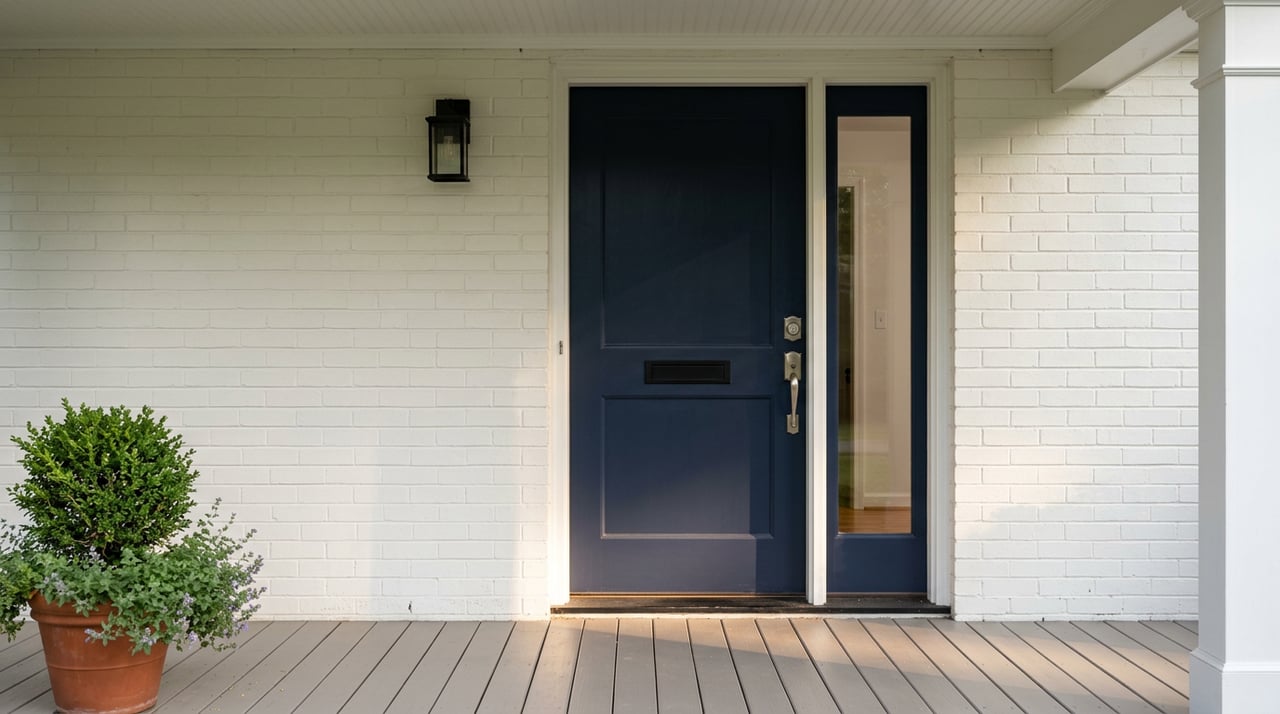
At the same time, you do not need a full remodel to improve buyer perception. Research from 2025 showed that real estate professionals most often recommended painting, decluttering, cleaning, and improving curb appeal before listing. Those are usually lower-cost steps that can help your home feel better cared for without overspending.
A simple way to think about repairs is this:
That approach helps you stay practical. It also keeps your budget focused on changes buyers are likely to notice.
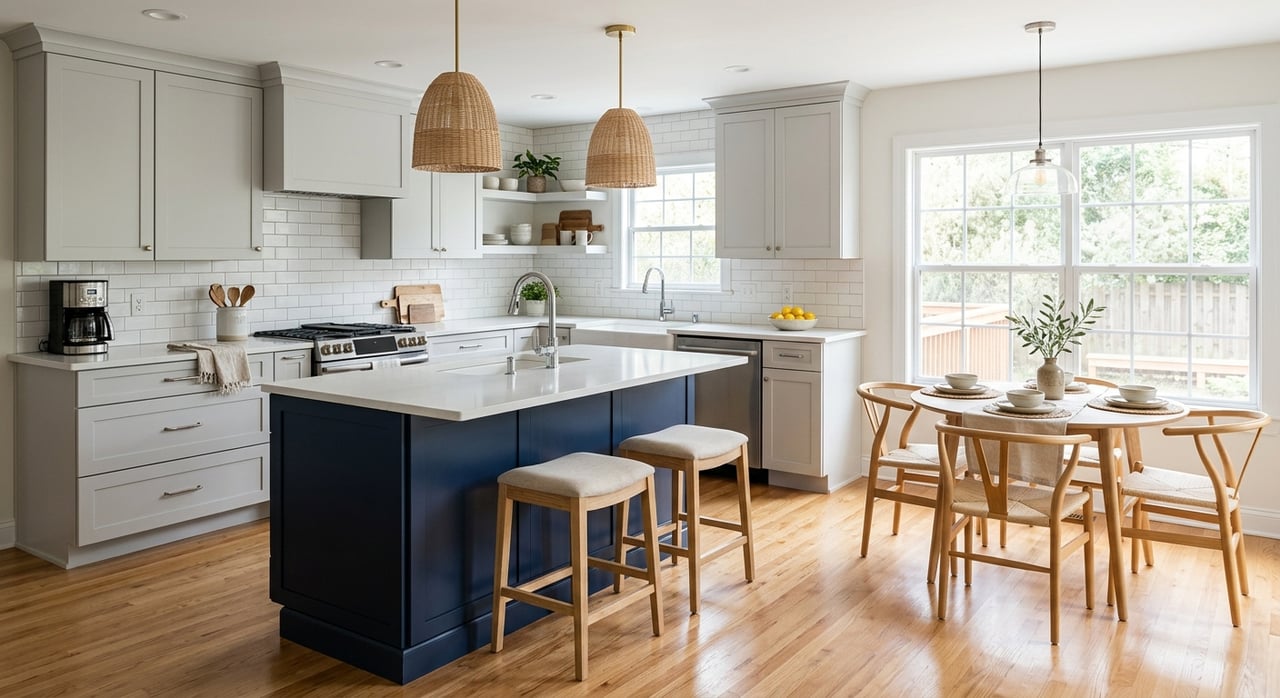
If you only have time or money for a few improvements, keep it simple. Clean homes tend to show better, photograph better, and feel easier for buyers to picture as their own. That does not mean your home has to look perfect. It means it should feel tidy, bright, and well maintained.
The most commonly recommended pre-listing improvements include:
These steps may sound basic, but they can make a real difference. In a small market, where buyers may compare only a handful of available homes at a time, presentation can shape how your pricing feels.
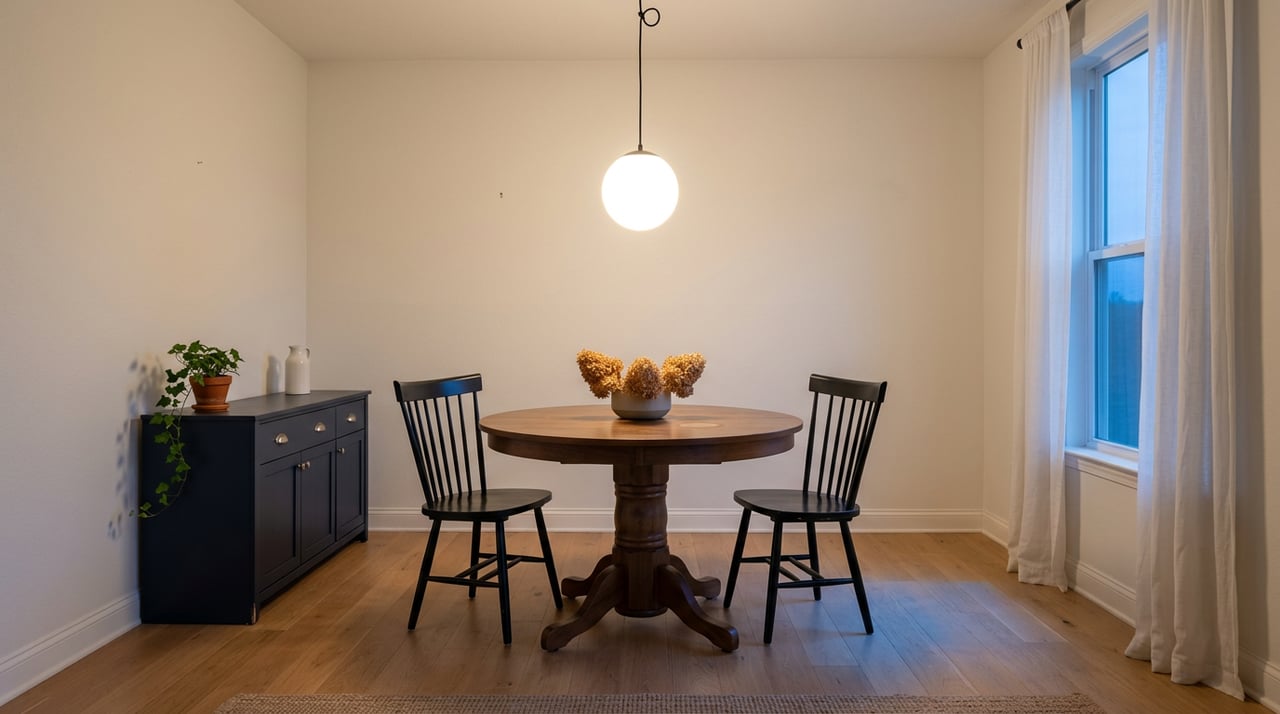
Staging does not always mean renting a full house of furniture. It can be as simple as rearranging what you already own, removing extra items, and making key rooms feel open and functional. The goal is to help buyers imagine living there.
In 2025, 83% of buyers’ agents said staging made it easier for buyers to visualize a future home. The rooms with the biggest impact were the living room, primary bedroom, and kitchen. Median staging costs were reported at $1,500 for professional staging and $500 when the seller’s agent handled staging.
Many buyers will meet your home online before they ever step inside. That is why photo prep should happen before the listing goes live, not after. If the home looks cluttered, dark, or unfinished in photos, some buyers may never schedule a showing.
Industry reporting shows that buyers’ agents place strong value on listing photos, videos, physical staging, and virtual tours. In a town like Palmyra, where inventory is limited and each listing gets close attention, strong visuals can help your home stand out for the right reasons.
Before photos, make sure you:
Your home should also be ready for repeated showings, not just one busy weekend. A clean, show-ready routine helps you stay prepared once buyers start booking tours.
Pricing is one of the biggest decisions you will make. In Palmyra, where there may be only a small number of comparable homes available at a given time, overpricing can cost you momentum. Underpricing without a clear strategy can leave money on the table.
Recent data suggests homes in Palmyra have spent roughly two months on the market, depending on the source, and some have sold below list price. That does not mean your home will follow the same path. It does mean buyers are paying attention to value, and pricing needs to reflect the most current local comps.
A strong pricing strategy should consider:
This is where local guidance matters. In a variable market, pricing is not about chasing the highest number online. It is about finding the number that attracts serious buyers and supports the sale through contract, inspection, and appraisal.
Even if your home is well prepared, buyers may still ask questions after inspections or appraisals. That is normal. The key is to expect those conversations and plan for them before they happen.
An appraisal is an independent opinion of value based on local comparable sales. Lenders may use different valuation methods, and those numbers can vary. If an appraisal comes in below the contract price, a buyer may ask to renegotiate, and in some cases may choose to cancel depending on the contract terms.
Inspections can also affect closing. Major repair issues may create financing concerns for some loan programs, which is why pricing and repairs should be considered together from the start. If you already know the likely pressure points, you can make better decisions before your home goes under contract.
If you want a practical roadmap, keep the process in this order:
This sequence can help you stay calm and focused. It also reduces the chance that you spend money in the wrong places.
Most sellers still choose to work with a real estate agent for help with marketing, pricing, negotiation, and timing. That makes sense in any market, but especially in one like Palmyra where a small number of listings can make conditions feel different from month to month.
Missouri law also outlines clear duties for a seller’s agent, including presenting written offers in a timely manner, seeking acceptable price and terms, disclosing known adverse material facts, and advising when expert help is needed. In real life, that means strong representation is not just about putting a sign in the yard. It is about managing details, communicating clearly, and helping you respond quickly when the market shifts.
If you are thinking about selling your Palmyra home, the smartest path is usually the most disciplined one. Start with condition, focus on visible improvements that matter, price from current comps, and prepare for negotiations before they happen. When you take those steps in the right order, the entire process tends to feel more manageable.
If you want clear guidance and local insight as you plan your next move, Madison (Maddie) Christal is here to help you sell with confidence.
Stay up to date on the latest real estate trends.
Founded in 2025, Christal Property Group combines fresh energy with experienced guidance to make buying, selling, and investing simple, seamless, and relationship-driven.