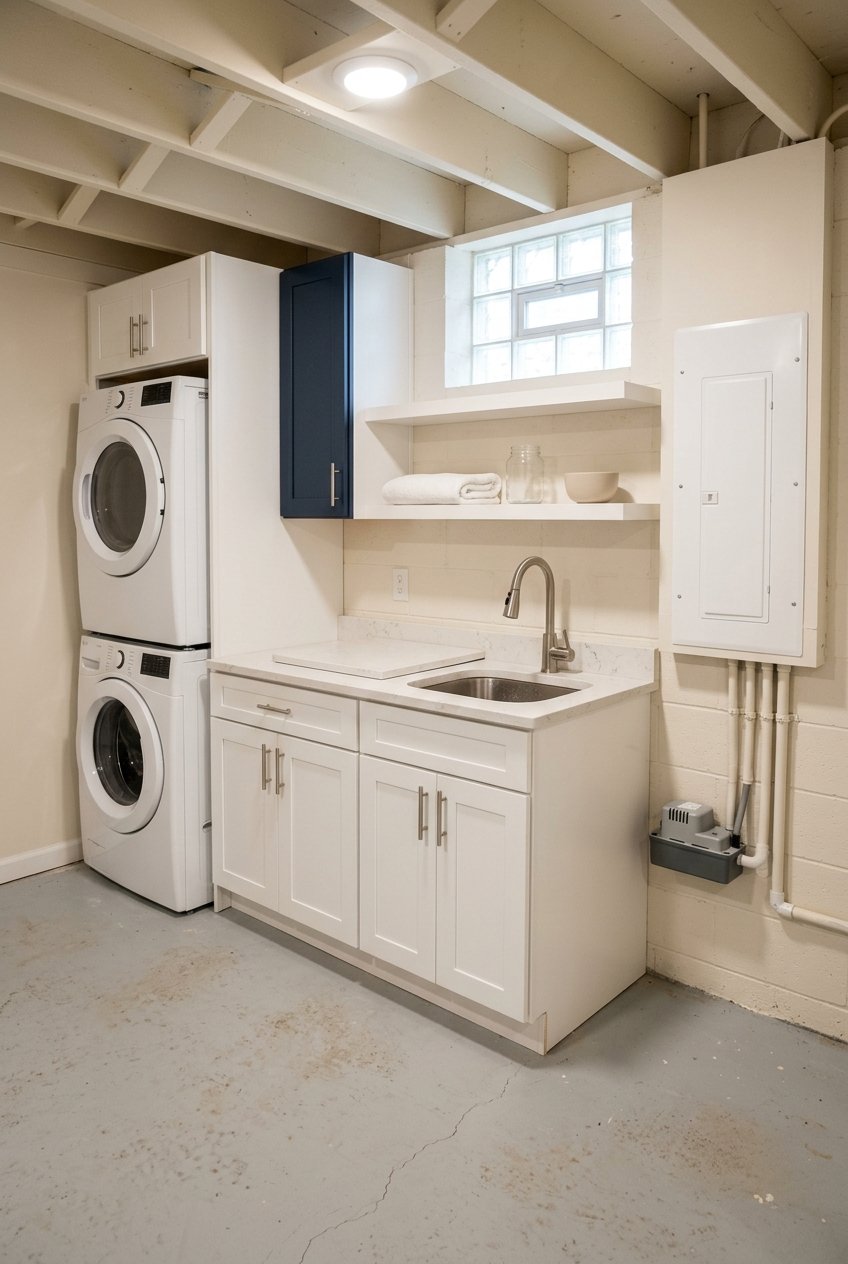
Owning And Managing Small Rentals In Palmyra
May 21, 2026
May 21, 2026
Wondering whether a small rental in Palmyra could be a smart move? In a town this size, owning rental property can be rewarding, but it also asks more of you than a quick spreadsheet might suggest. If you are thinking about buying, holding, or self-managing a small rental here, this guide will help you understand local demand, costs, and rules so you can make clearer decisions. Let’s dive in.
Palmyra is a small county-seat city with about 3,623 residents, 1,415 households, and 1,640 housing units across just 3.1 square miles. That smaller scale matters because you are not working with a huge pool of listings, renters, or comparable rents.
In a market like this, broad state or metro trends only go so far. Local comparable sales, realistic rent expectations, and block-by-block property condition matter more when you are deciding whether a deal works.
The city also describes a varied housing mix, including older 19th-century homes, newer subdivisions, rental apartments, senior housing, and even apartments in the old city jail. For most small investors, that usually means the real opportunity is more likely to be a single-family home or a modest in-town building than a large apartment property.
Palmyra benefits from its connection to nearby job centers and travel routes. The city notes that some residents commute to Hannibal and Quincy, and it highlights access to US 61-24, nearby I-72 and US 36, plus regional rail and air connections through Quincy.
That setup can support tenant demand from people who want a small-town cost structure while still staying within reach of larger employers and services. In practical terms, your renter may be choosing Palmyra for affordability, commute convenience, or a preference for a smaller community feel.
Local services also play a role. The city points to the school district, manufacturing, electric services, retail, restaurants, two industrial parks with access to US 61, two health clinics, access to two regional hospitals, a public library, and Flower City Park amenities.
For a small landlord, this suggests a renter profile that is likely centered on workers, households with steady routines, and people looking for practical housing near everyday services. You may be serving school employees, healthcare workers, manufacturing or utility workers, commuters, downsizers, or small households that want to stay close to town.
In a small market, it helps to stay focused on property types with the widest appeal. Since Palmyra has a family- and worker-oriented profile, a clean, functional home with manageable upkeep may attract more steady interest than a highly specialized property.
That does not mean every rental must look the same. It means you should think carefully about layout, maintenance needs, parking, utility setup, and how easy the property will be to show, lease, and turn over between tenants.
A simple single-family home or a modest in-town property can be easier to understand and compare in a town with limited inventory. When choices are fewer, a property in solid condition with predictable expenses often has an advantage.
One of the biggest mistakes small investors make is focusing too much on the purchase price and not enough on the full ownership picture. In Palmyra, your underwriting should include more than principal, interest, taxes, and insurance.
Make room for these operating costs:
This matters even more in Palmyra because many homes are older. The city’s housing mix suggests that roofs, windows, plumbing, electrical updates, and cosmetic improvements should be treated as normal business planning, not surprise exceptions.
If you skip reserve planning, one major repair can erase months of cash flow. A rental that looks good on day one can become much less attractive if you have not budgeted for aging systems and ongoing upkeep.
Marion County says real property is revalued every two years and assessed as of January 1. The city says real estate taxes are billed in October and due by December 31.
That timing matters when you estimate annual expenses and future payment changes. If you are buying a rental, you should understand not only the current tax bill but also how reassessment could affect your numbers after closing.
In a small market, tax planning is less about guessing and more about paying attention to timing and local valuation patterns. A property that barely works on paper can feel tighter if taxes rise and you did not leave enough room in your budget.
Palmyra operates its own electrical and water production systems, and the city maintains utility infrastructure up to the meter. Beyond that point, the customer or property owner is responsible.
That local detail is easy to miss, but it matters. Service-line failures, interior plumbing issues, electrical problems, and utility transfer hiccups can all affect occupancy, repair costs, and how quickly you can get a unit ready for the next tenant.
The city also provides trash pickup, which is another practical item to clarify as you budget and set up lease expectations. Before you buy, make sure you understand exactly what the property owner will be expected to maintain and how utility responsibilities will be handled.
Palmyra’s housing stock includes many older homes alongside newer subdivisions. Older properties can be excellent rentals, but they usually perform best when you go in with a clear maintenance mindset.
You should expect to spend money on systems, not just paint and flooring. Plumbing updates, electrical work, window replacement, roofing, and exterior maintenance can all become part of long-term ownership.
This does not mean older homes are poor investments. It means you need to buy with your eyes open, inspect carefully, and plan for reserve spending from the beginning.
Palmyra adds an important local layer for rental owners. The building inspector handles permits, code enforcement, and inspections of non-owner-occupied dwellings, including rental homes, apartments, and short-term rentals.
If you are buying or rehabbing a property, this is not something to leave until the last minute. You want to understand what permits or inspections may apply before work begins and before the property is occupied.
The city also states that anyone conducting business in Palmyra must obtain a city business license. In addition, contractors need proof of insurance and a state sales tax certificate, which can affect who you hire and how smoothly a rehab moves forward.
If you plan to manage your own rental, security deposit handling is one area where you need to be precise. Missouri law limits security deposits to no more than two months’ rent.
The deposit must be held in a federally insured institution. After the tenancy ends, the landlord has 30 days to return the deposit or provide a written itemized list of damages.
The tenant also has the right to be present at the move-out inspection. Wrongful withholding can expose a landlord to double damages, so documentation and timing are very important.
The Missouri Attorney General says landlords should make properties habitable before move-in and handle ordinary wear-and-tear repairs. Landlords also should not shut off water, electricity, or gas in place of proper legal action.
Eviction requires a court order, and fair housing rules apply. For a small rental owner, that means your systems need to be professional even if you only own one or two properties.
Good records, clear communication, and prompt repair handling help protect both your tenant relationship and your investment. Small-town rentals may feel informal at times, but your management approach should still be consistent and businesslike.
In a market like Palmyra, it is dangerous to assume a property will rent for a number pulled from a bigger nearby city. Marion County notes that residential value depends heavily on local comparable sales and local conditions, and income-producing property is evaluated by its ability to produce income under prudent management.
That is a strong reminder that local validation matters. Before you buy, you should test your rent assumptions against actual nearby properties, likely condition differences, utility setup, and how quickly similar units are likely to lease.
This is especially important in a town with limited deal flow. If you overestimate rent or underestimate repairs, your margin for error can disappear fast.
If you are considering owning and managing a small rental in Palmyra, a steady and local-first approach usually makes the most sense. Look for a property with understandable demand, manageable maintenance, and numbers that still work when you build in reserves.
It also helps to think past the purchase. Who will handle repairs, leasing, documentation, inspections, and turnovers? In a smaller market, reliable local coordination can be just as important as the price you pay.
When you treat the property like a long-term business instead of a quick side project, you give yourself a better chance of creating stable results. That is often the difference between a rental that feels manageable and one that becomes a constant source of stress.
If you are weighing a rental purchase in Palmyra and want local insight on property fit, likely demand, and what to watch for before you buy, Madison (Maddie) Christal can help you take the next step with clear, practical guidance.
Stay up to date on the latest real estate trends.

Founded in 2025, Christal Property Group combines fresh energy with experienced guidance to make buying, selling, and investing simple, seamless, and relationship-driven.