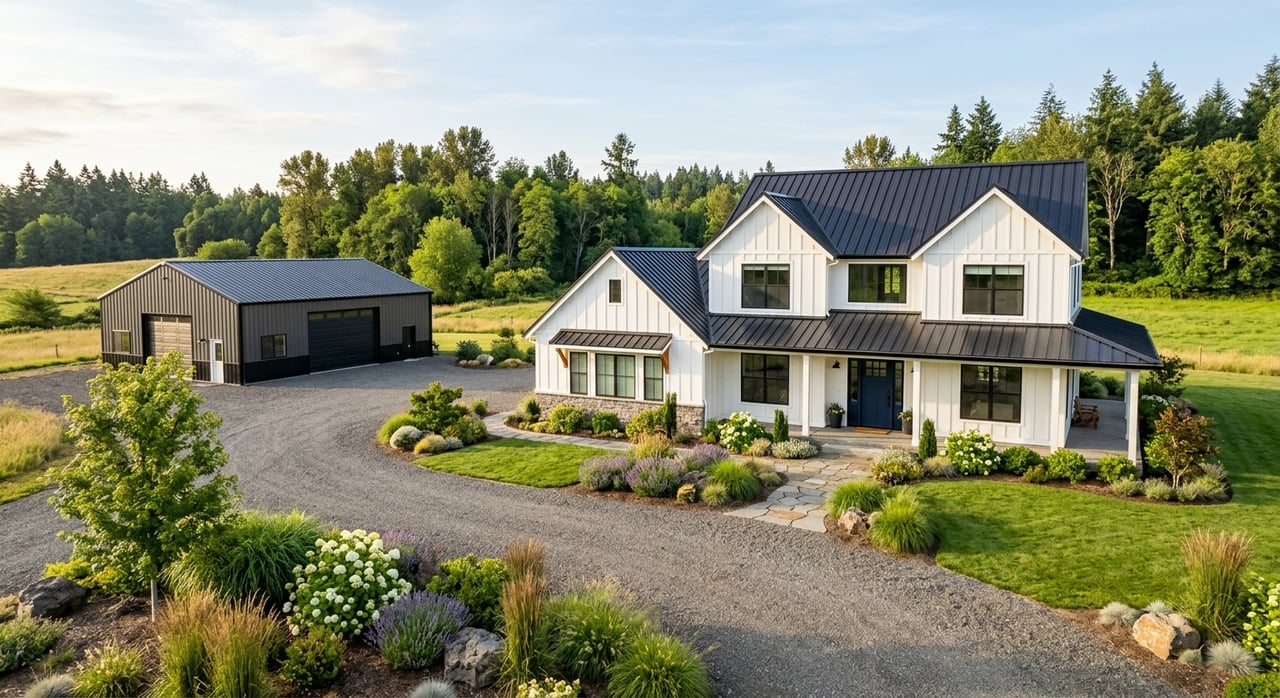
Guide To Buying Acreage And Country Homes Near Palmyra
April 23, 2026
April 23, 2026
Dreaming about a place with a little more elbow room? Buying acreage or a country home near Palmyra can give you space for hobbies, animals, a shop, or simply a quieter setting, but rural property comes with a different set of questions than a home in town. If you want to buy with confidence, it helps to know what to check before you fall in love with the view. Let’s dive in.
Palmyra is a practical fit for buyers who want country living without feeling cut off. The city is about seven miles west of the Mississippi River, and the city notes that some residents commute to Hannibal and Quincy, which can make the area appealing if you want more land while staying connected to work and everyday services.
There is also an important contrast between homes in town and homes outside city limits. According to the City of Palmyra, in-town properties may have access to electric, water, sewer, and trash service, while acreage properties often rely on private systems and more property-specific infrastructure.
One of the biggest surprises for buyers is that rural property values are harder to generalize than standard residential prices. Missouri land sale prices are not required to be reported publicly, so comparable sales can be thinner, especially for unique tracts.
That matters near Palmyra because land value depends heavily on what the land is and how it can be used. As noted in the MU Extension 2025 survey on Missouri farmland values, Northeast Missouri land values can vary sharply based on whether a property is cropland, pasture, timber, or recreational land.
The same report also found that recreational and lifestyle buyers made up 25% of Missouri farmland buyers. That is a good reminder that many acreage purchases are not strictly agricultural. A small tract bought for a home, hobby animals, hunting access, or privacy may need to be evaluated very differently from a typical house in town.
Before you schedule showings, get clear on how you want to use the property. Your goals will shape what matters most, from fencing and water access to outbuildings and driveway layout.
Ask yourself questions like these:
According to MU Extension’s small-acreage planning guide, buyers should think through fencing, water, buildings, infrastructure, labor, and liability or insurance if animals or public-facing uses are part of the plan. In other words, even a modest country property can come with real long-term costs.
A beautiful property is much less appealing if access is unclear. With rural real estate, one of the first things to confirm is whether the parcel has legal, reliable access and who is responsible for the road or driveway.
The Marion County Commission oversees county roads and bridges, and county offices also handle surveying matters and corner remonumentation. MU Extension also notes that some county roads do not have deeded easements, which is why access questions should be taken seriously early in the process.
When you evaluate a property, make sure you understand:
Country homes often have a very different utility setup than homes inside Palmyra. If a property is in town, the City of Palmyra says residents may have access to city electric, water, sewer, and trash, and the city notes that its maintenance responsibility for water ends at the meter.
Outside town, you may be dealing with a private well, onsite wastewater system, propane, and parcel-specific service questions. That means buyers should verify utility details instead of assuming a setup is standard from one property to the next.
Broadband is another item worth confirming directly. Marion County’s 2022 USDA profile reported that 69% of farms had internet access, according to the USDA county profile for Marion County, but that does not guarantee the service level you need at a specific address.
If the property has a private well, water testing should be part of your due diligence. The Missouri Department of Health and Senior Services recommends testing private well water at least once each year and anytime the well is serviced or the water changes in look, smell, or taste.
MU Extension also recommends at least annual testing for bacteria, nitrates, pH, and total dissolved solids, especially for older or poorly designed wells that may be more vulnerable to contamination. Buyers should also remember that DHSS does not provide well testing specifically for real estate transactions, so private lab testing is usually needed.
For septic systems, the same state guidance notes that an inspection or evaluation is not automatically required before a real estate transaction, but a buyer or lender can request one, and some counties may have their own requirements. DHSS also states that a construction permit is required to install or repair an onsite wastewater system on residential property under three acres when state onsite laws apply.
Because Palmyra is near the Mississippi River corridor, flood and drainage review should be part of normal rural due diligence. Even if a home is not near obvious standing water, drainage patterns and low-lying areas can still affect use, insurance, and future improvements.
FEMA says its Flood Map Service Center is the official public source for flood hazard maps, and those maps can change over time. Soil information matters too. Missouri soil surveys can help you better understand soil boundaries, slope, erosion, streams, and road conditions, which can be useful for septic planning, driveway placement, and broader land-use decisions.
When you buy a country property, you are not just buying a house. You are buying the driveway, drainage, outbuildings, fencing, utility setup, and often a lot more maintenance than you would have with a typical in-town lot.
MU Extension’s homebuying guide recommends a preliminary walk-through before making an offer and then a professional inspection afterward. Its checklist includes roof condition, gutters and downspouts, attic moisture, basement or crawl-space condition, and the condition of garages and other outbuildings.
That broader inspection lens matters on acreage because barns, sheds, detached shops, and storage buildings can be a major part of the property’s value and upkeep. A great-looking house with a failing outbuilding, drainage issue, or poor access road may cost more than expected after closing.
Rural living often means more freedom, but it also means more responsibility. You may be maintaining a longer driveway, a larger yard, fences, trees, or multiple structures.
Fire safety is one example. MU Extension recommends creating defensible space around buildings, keeping roads and woodland trails accessible for emergency vehicles, and using access roads and gates at least 16 feet wide. Their wildfire protection guidance also notes that barns, sheds, dry vegetation, and aging outbuildings can increase wildfire exposure.
If a property includes extra structures or wooded acreage, ask yourself whether you are ready for the time and cost of ongoing upkeep. That includes mowing, trimming, gravel, repairs, and seasonal maintenance.
Acreage transactions usually go more smoothly when the right local professionals are involved early. Depending on the property, that may include a surveyor, septic professional, well specialist, inspector, lender, or county office.
Marion County has helpful local resources for buyers doing deeper due diligence. MU Extension’s Marion County office, the county surveyor, and the Marion County Soil and Water Conservation District can all play a role in answering property-specific questions or helping buyers know what to verify next.
This is also where a local real estate team can make a real difference. When a property raises questions about access, easements, soils, floodplain, private utilities, or outbuildings, having a guide who understands how rural transactions work in Northeast Missouri can help you stay organized and avoid preventable surprises.
If you are considering acreage or a country home near Palmyra, keep this short checklist handy:
Buying rural property can be incredibly rewarding when the property fits your goals and you go in with clear information. If you want help comparing acreage options, asking the right due diligence questions, and navigating the process with less stress, Madison (Maddie) Christal and Christal Property Group are here to help.
Stay up to date on the latest real estate trends.
Founded in 2025, Christal Property Group combines fresh energy with experienced guidance to make buying, selling, and investing simple, seamless, and relationship-driven.