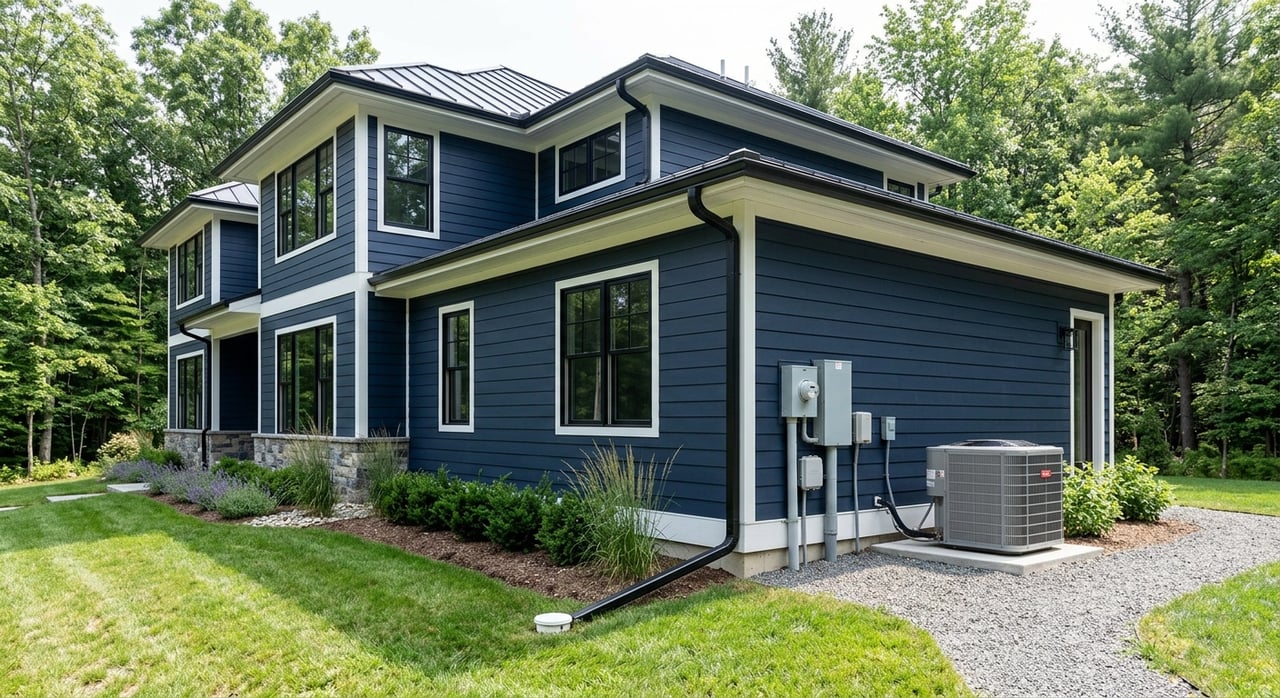
Finding The Right Build Site Near Hannibal
June 4, 2026
June 4, 2026
You can fall in love with a piece of land fast, but a pretty view does not always mean an easy place to build. If you are looking for the right build site near Hannibal, you are probably trying to balance space, convenience, and long-term value without missing a costly detail. The good news is that a little local due diligence can help you narrow your options with confidence. Let’s dive in.
When you search for land, it helps to think beyond the listing photos. Hannibal sits along the Mississippi River in northeast Missouri, about 100 miles north of St. Louis, and the city highlights access from Highway 61 and Highway 36 along with downtown attractions, public parks, boat docks, an aquatic park, and a growing trail system.
That means the best site for you is not just about scenery. It is also about how the location fits your routine, whether that includes commuting through town, getting downtown easily, or staying closer to services you use often.
For some buyers, proximity to Hannibal Regional Hospital matters. It is a 99-bed acute care facility in the community. Others may want a site that keeps them closer to Hannibal School District #60 offices, work, shopping, or riverfront amenities.
One of the first decisions is whether you want to build inside Hannibal city limits or on a more rural parcel in Marion County. Both options can work well, but they come with different planning needs.
A city lot may offer a more straightforward path for utilities and municipal services. A rural parcel may give you more room, privacy, and flexibility, but it can also require more site investigation before you move forward.
Here is a simple way to think about it:
| Option | Possible Benefits | Extra Checks Needed |
|---|---|---|
| In-town lot | Closer to city utilities and services | Utility connection fees and service availability |
| Rural parcel | More space and layout flexibility | Well, septic, soils, access, and utility planning |
Neither choice is automatically better. The right one depends on how you want to live and how much site work you are prepared to take on.
Utilities are one of the biggest reasons a build site looks easier than it really is. Before a lot becomes your favorite, confirm what is actually available at the property and what it may cost to connect.
Inside Hannibal, the Hannibal Board of Public Works provides electric, water, and sewer service and also manages stormwater. Its new-customer materials note that connection fees can apply for water taps, sewer taps, and new electric construction.
That means you should ask two separate questions. First, are the utility lines available to the lot? Second, what will it cost to connect them?
Outside the city, the picture can change from parcel to parcel. Marion County permit paperwork points buyers to local public water supply districts, and many homes outside public sewer areas rely on onsite wastewater treatment systems.
If a property will need a private well or septic system, do not treat that as a small detail. Missouri guidance says onsite wastewater success depends on site and soil conditions, available space, and operation and maintenance needs.
For rural land, septic and well planning should happen early, not after you are emotionally committed. In Missouri, a permit is generally required before installing or repairing most onsite wastewater systems.
The Marion County Health Department says its Environmental Health staff works with realtors, homeowners, and sewer system installers on new and existing sewer systems. The department also evaluates private water supplies and wastewater treatment systems and keeps a local list of soil scientists.
That local support matters because not every parcel will handle a septic system the same way. If soils, slope, or drainage are challenging, your buildable area may be smaller than you expected.
If you are considering a private well, Missouri recommends annual testing of well water and additional testing after flooding or land disturbance. That makes water planning part of your long-term ownership picture, not just a pre-build task.
Near Hannibal, floodplain review is a normal part of shopping for land. Because this is a Mississippi River community, buyers should expect to check flood maps and ask questions about drainage, elevation, and the planned house pad.
FEMA’s Flood Map Service Center is the official place to review flood maps, and the City of Hannibal’s Building Inspector serves as the city floodplain manager. Marion County’s building permit application also asks whether a parcel is in a flood plain or flood-hazard zone and requires an elevation certificate if it is.
A lot does not need to be perfectly flat to be buildable. Still, slope and drainage can affect your driveway design, foundation planning, yard use, and where the home can realistically sit.
This is one of the most important reasons to walk the site with professionals. A parcel that looks simple from the road may have drainage patterns or elevation issues that change the design and cost of your build.
Lot size gets a lot of attention, but access is just as important. A build site needs practical, year-round entry, not just enough acres on paper.
Marion County’s Highway Department maintains county roads and bridges and handles snow removal, ice control, culvert pipe replacement, and driveway pipe installation. That makes road frontage, driveway layout, and access points important parts of your review.
The county’s building permit packet also requires applicants to identify water supply, electrical utilities, gas utilities, wastewater disposal, and flood-plain status up front. It also states that the structure must be at least 80 feet from the center of the road.
That setback can make a big difference. On some parcels, the usable building area may be smaller than the listing makes it seem, especially if the lot has slope, irregular boundaries, or utility limitations.
Before you make an offer on land, make sure the parcel fits your intended use. Marion County is a zoned county, and zoning districts and rezoning rules can affect rural acreage, future building plans, and possible parcel splits.
The county’s land-use order states that a building permit is required for new construction and that it is a violation to alter or erect a building without one. In the city, the Building Inspector reviews plans, issues permits, enforces building codes, and handles floodplain questions.
This is especially important if you are comparing more than one site. Two parcels with similar prices may have very different paths to permitting depending on zoning, access, floodplain status, and utility setup.
Online research is a good first step, but it should not be your only step. The final decision should be grounded in permits, floodplain review, utility confirmation, soils evaluation, and a site visit with professionals who work in Marion County every day.
A strong build-site team often includes your real estate agent, builder, and surveyor. The Marion County Surveyor is the county contact for surveying matters, and FEMA elevation certificates must be completed by a surveyor, engineer, or architect.
This professional input becomes even more important when a property has uneven ground, possible flood concerns, unclear boundaries, or rural utility needs. Getting answers early can save you time, money, and frustration later.
If you want a practical way to compare parcels near Hannibal, use this checklist before moving forward:
A build site is not just a place to put a house. It is the foundation for how you will live every day, so the best choice is usually the one that works well on paper and in real life.
If you are weighing land options near Hannibal and want a clear, local perspective, Madison (Maddie) Christal can help you compare sites, ask the right questions, and move forward with confidence.
Stay up to date on the latest real estate trends.
Founded in 2025, Christal Property Group combines fresh energy with experienced guidance to make buying, selling, and investing simple, seamless, and relationship-driven.