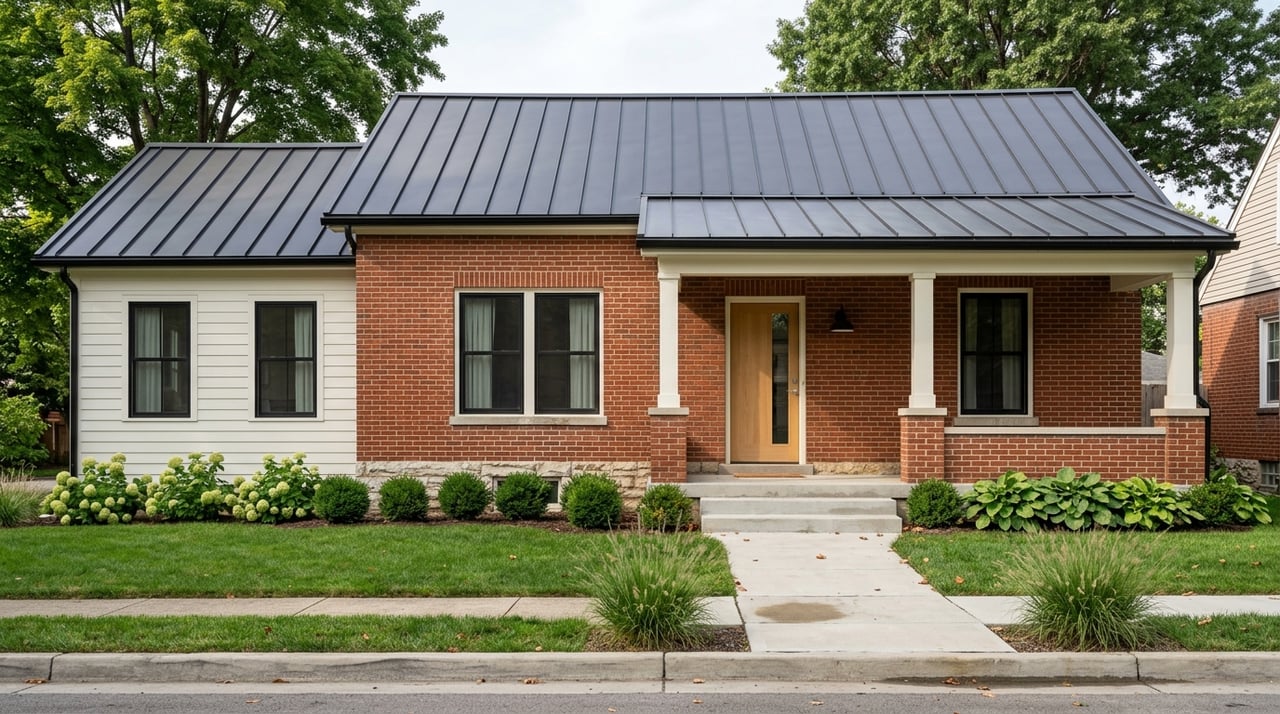
Choosing Between Older And Newer Homes In Palmyra
July 9, 2026
July 9, 2026
You do not have to choose between charm and peace of mind without a plan. If you are house hunting in Palmyra, it is normal to wonder whether an older home’s character is worth the extra questions or whether a newer home’s systems will make life simpler. This guide will help you compare older and newer homes in Palmyra, understand the tradeoffs that matter most, and know what to ask before you make an offer. Let’s dive in.
In Palmyra, older homes are part of the local housing story. The city’s own history includes an 1844 City Hall building, and several Palmyra properties are listed on the National Register, including the Dryden-Louthan House, Gardner House, Speigle House, Walker-Woodward-Schaffer House, Sowers House, Culbertson-Head Farmstead, and Wilson Farm Complex.
That historic footprint also fits the broader housing picture in Marion County. State housing-age data show that 74.2% of county housing units were built before 1990, 49.4% before 1970, and 29.1% before 1950. In other words, if you are shopping in Palmyra, there is a good chance you will compare homes from very different eras.
Older homes often stand out for their details and established setting. In a town like Palmyra, that can mean features tied to the community’s long history rather than a one-size-fits-all look. If you are drawn to homes with a distinct feel, older properties may naturally catch your eye.
That said, an older home usually calls for closer review of its major systems and past updates. A beautiful exterior does not tell you when the roof was replaced, whether the electrical has been updated, or how well the home is insulated for Missouri weather.
When you tour an older home in Palmyra, focus on the items that can affect comfort, safety, and future costs:
Palmyra’s building department notes that permits are required for new residential and commercial construction and many other projects. That makes permit history especially important when a home has been added onto or updated over time.
An older home is not automatically drafty or expensive to run. In this region, comfort depends a lot on the quality of upgrades that have already been made. The Missouri and western Illinois climate brings hot to hot-humid summers, cold winters, and year-round precipitation, so air sealing, insulation, and HVAC performance matter in almost any home.
Missouri’s weatherization guidance points to practical upgrades that can make a real difference, especially in older houses. These include air sealing, attic and sidewall insulation, floor or foundation insulation, pipe or duct insulation, water-heater blankets, efficient lighting, and heating or cooling repair or replacement.
Newer homes can offer a different kind of appeal. You may see more recent roofs, HVAC systems, water heaters, windows, and finishes, which can reduce the chance of large repair needs right away. For buyers who want a cleaner starting point, that can feel reassuring.
Still, newer does not mean worry-free. A newer home should still be inspected carefully, and you should still ask good questions about permits, final inspections, grading, and drainage.
Missouri law says a political subdivision generally cannot require a home inspection before a residential sale, except in limited cases such as new construction or occupancy permits. For buyers, that makes your inspection contingency an important part of the process.
Even if a home looks move-in ready, an inspection can help you better understand what was built, what was finished, and what may still need attention. In Palmyra, it is smart to ask whether final inspections were completed and whether the seller or builder can provide permit records.
Here is a simple side-by-side look at how many buyers think through the choice:
| Factor | Older Homes | Newer Homes |
|---|---|---|
| Style and character | Often more distinct and tied to Palmyra’s historic housing mix | Often more uniform with more current layouts and finishes |
| Major systems | More likely to need closer review due to age | May offer newer systems and fewer near-term replacements |
| Energy performance | Depends heavily on past upgrades | May start with more modern materials and construction methods |
| Maintenance planning | Often requires a larger question list up front | Still needs due diligence, especially on construction details |
| Permit history | Important for remodels, additions, and updates | Important for final inspections, grading, and code compliance |
The right choice often comes down to your comfort level. If you do not mind asking more questions and planning for updates, an older home may be a strong fit. If you want more predictable systems from day one, a newer home may feel simpler.
Whether a home is old or new, the best buyers walk in with a plan. Asking the right questions can help you sort through surface-level appeal and focus on what matters.
Use this list as a starting point during showings and inspections:
Palmyra notes that the city maintains water service only up to the meter, and the property owner is responsible beyond that point. That makes plumbing questions especially important, particularly in older homes.
Some of the most important questions are not always visible during a showing. If you are buying an older home and thinking ahead to updates, make sure you understand a few common health and safety topics.
Homes built before 1978 are more likely to contain lead-based paint. Buyers and renters of most pre-1978 housing have the right to receive lead disclosures and related information before signing a contract or lease.
If you are considering an older Palmyra home, ask whether any lead paint, dust, or water testing has been done. This matters even more if you plan to remodel, sand painted surfaces, or replace older plumbing components.
Radon is not just an older-home issue. Any home, old or new, can have elevated radon, and testing is the only way to know. EPA recommends taking action when levels are 4 pCi/L or higher.
That makes radon testing a smart question in every showing, not just historic properties. It is one of the easiest ways to avoid guessing about an invisible issue.
There is no universal winner between older and newer homes in Palmyra. The better question is which type fits your priorities, timeline, and budget.
An older home may suit you if you value unique features, do not mind digging into maintenance history, and are comfortable budgeting for future updates. A newer home may suit you if you want fewer immediate system questions, a more turnkey starting point, and a shorter near-term repair list.
Either way, a smart decision usually comes from the same process: compare the age and condition of major systems, review permit history, ask about testing and inspections, and think realistically about comfort and upkeep over time.
If you are weighing homes from different eras in Palmyra, having local guidance can make the process much less stressful. Madison (Maddie) Christal and Christal Property Group can help you ask better questions, compare your options clearly, and move forward with confidence.
Stay up to date on the latest real estate trends.
Founded in 2025, Christal Property Group combines fresh energy with experienced guidance to make buying, selling, and investing simple, seamless, and relationship-driven.